PP 4 - Wild Card
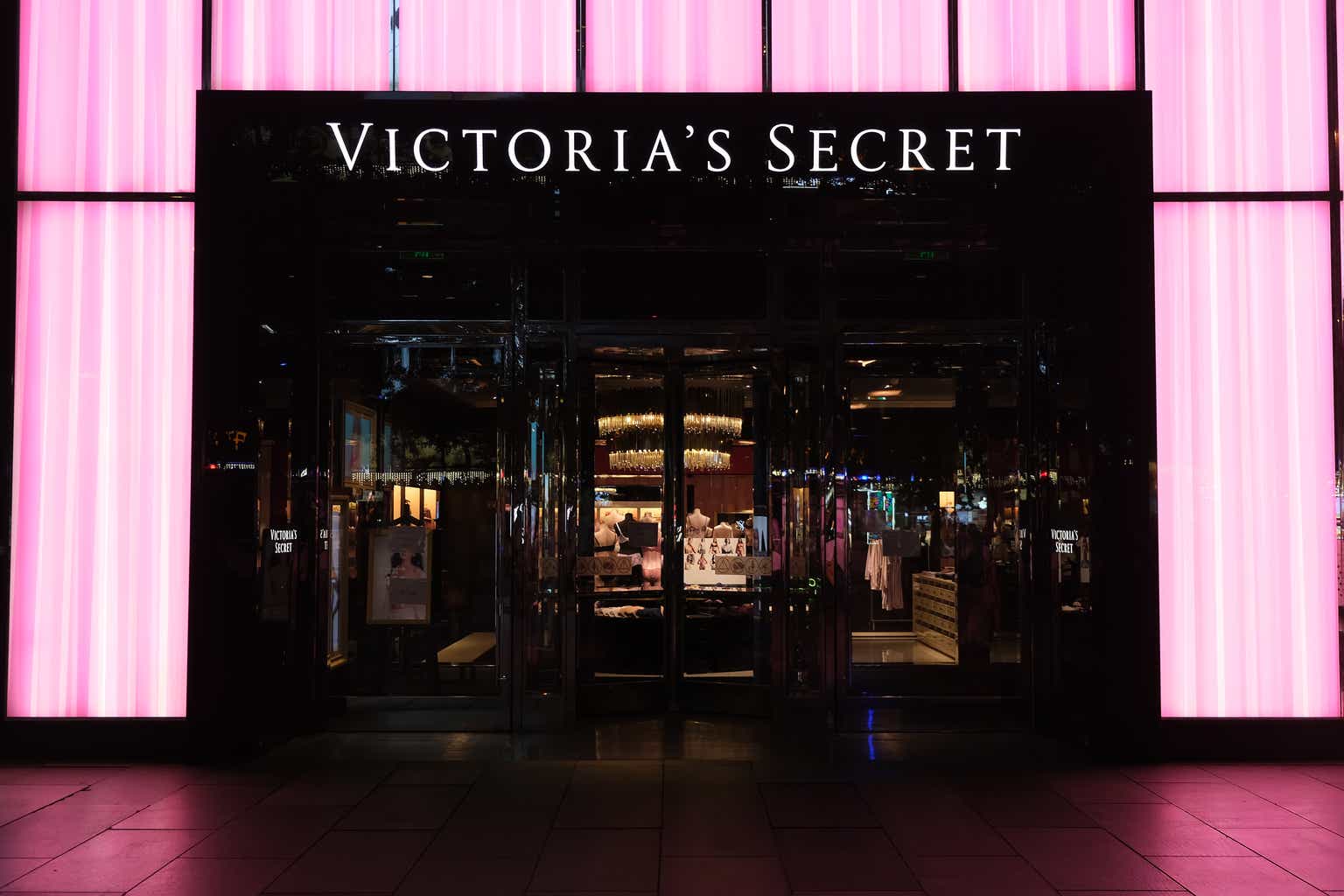
Once a symbol of glamour and idealized femininity, Victoria’s Secret has undergone a profound transformation in recent years. In 2025, the company continues to rebuild its image and reconnect with audiences by embracing inclusivity, authenticity, and empowerment.
After decades of criticism for promoting narrow beauty standards and hypersexualized imagery, Victoria’s Secret has shifted its media strategy to reflect a broader, more diverse understanding of beauty. This change not only represents a business adaptation but also a cultural evolution within the fashion and media landscape.

The brand’s use of media and digital storytelling has also evolved dramatically. In 2025, Victoria’s Secret leans heavily on social media platforms such as Instagram, TikTok, and YouTube, not only to advertise products but to engage in conversations about confidence and self-love. Instead of airbrushed glamour shots, the company now showcases unretouched photos, personal narratives, and behind-the-scenes stories that highlight authenticity over fantasy. By featuring diverse voices and perspectives, Victoria’s Secret has cultivated a more relatable and emotionally resonant image among younger audiences.
One of the most notable changes in Victoria’s Secret’s strategy is its emphasis on empowerment rather than seduction. The company’s new campaigns focus on themes of individuality, comfort, and inner strength. Rather than marketing lingerie as a tool for attracting others, the brand now frames it as an expression of self-care and personal confidence. This reframing not only appeals to a modern audience that values authenticity but also aligns with broader societal movements toward mental health awareness and gender equality.
Victoria’s Secret’s rebranding also extends to its product lines and retail experiences. The company has expanded its sizing options, introduced gender-inclusive collections, and redesigned store layouts to create more welcoming, less objectifying environments. By doing so, the brand acknowledges the diversity of its consumers and aims to rebuild trust with those who previously felt excluded. Collaborations with emerging designers and social initiatives supporting women’s empowerment further reinforce the brand’s renewed commitment to social responsibility.
While Victoria’s Secret’s transformation has been met with cautious optimism, the journey has not been without challenges. Critics argue that the company’s rebranding efforts risk being perceived as performative if not consistently supported by meaningful actions and long-term cultural change. However, the brand’s continued investment in inclusive campaigns and its willingness to confront its past mistakes suggest a genuine desire to evolve and adapt to the values of a new generation.
In 2025, Victoria’s Secret serves as a compelling case study in corporate reinvention. Once criticized for promoting unattainable ideals, the brand now strives to represent the beauty and complexity of real women. Through inclusive marketing, social engagement, and a focus on empowerment, Victoria’s Secret has redefined what it means to be feminine in the modern world. Its evolution reflects not just a change in branding but a shift in cultural consciousness—one where beauty is celebrated in all its forms, and confidence comes from authenticity rather than conformity.
This was written with the help of A.I.

Comments
Post a Comment